
Artificial Intelligence, specifically Generative AI (Gen AI), is transforming industries. However, many organizations struggle to move Gen AI from proof of concept (POC) to production. Insights shared at Public Sector Day Singapore 2024 offer practical lessons for overcoming these challenges.
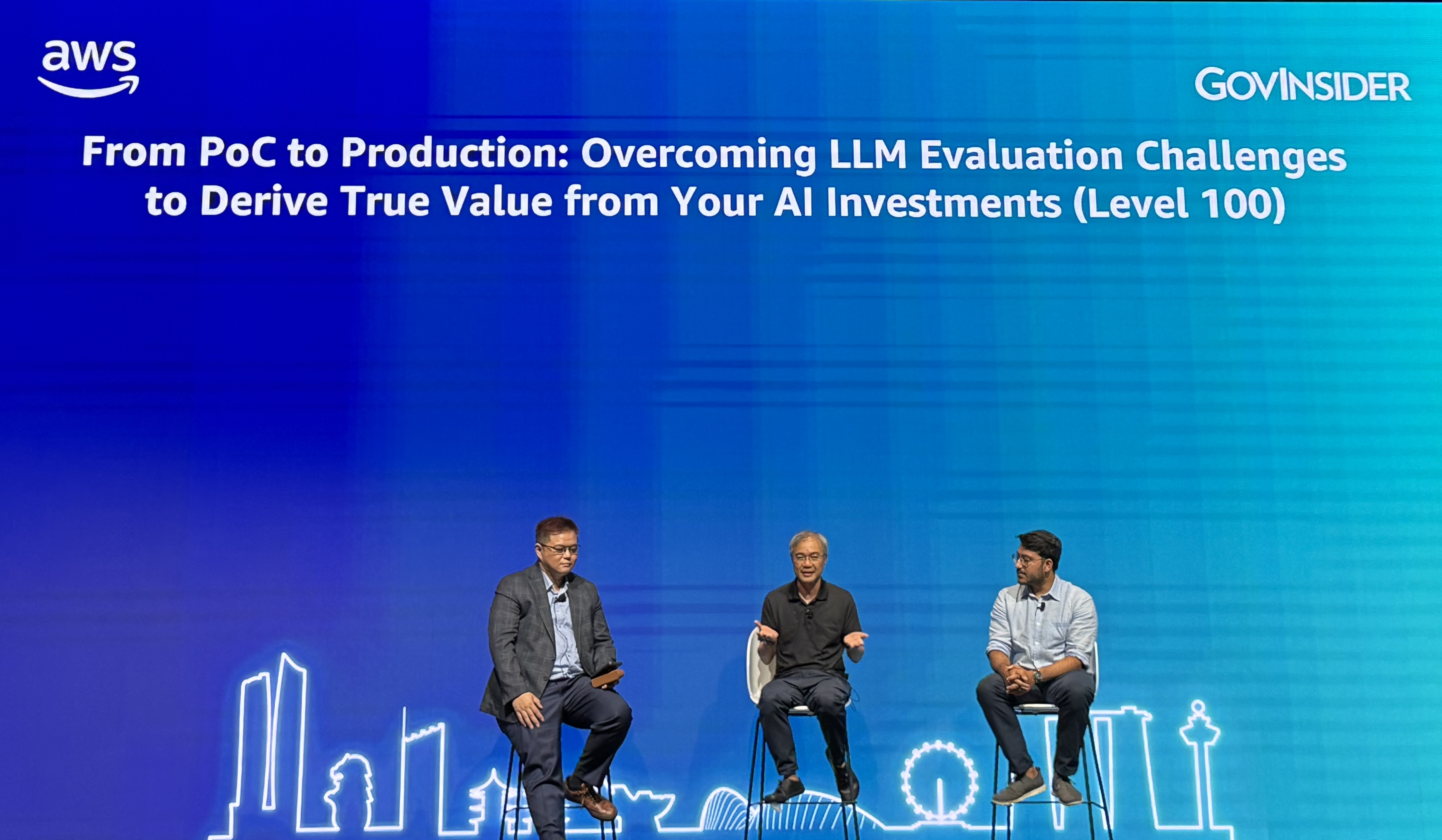
Here are five key takeaways:
1. The Journey from POC to Production is Complex
Transitioning Gen AI from POC to production requires more than technical readiness—it involves solving organizational challenges, building scalable solutions, and ensuring AI performs consistently in real-world environments.
POCs offer valuable insights, but production demands more robust engineering. Ensuring data is reliable, infrastructure is ready, and processes are refined are critical steps to ensure the Gen AI model scales effectively in a production setting.
2. Change Management is Essential
In any AI initiative, the human factor is crucial. Teams often resist change, even when technology offers better efficiency. Change management helps ease this transition, ensuring that employees are ready to adopt AI-driven workflows and processes.
For Gen AI, addressing these human challenges can be even more important, given its complex outputs. Effective training and change management can accelerate the adoption of Gen AI solutions within teams, ensuring seamless integration with existing processes.
3. Align Gen AI Metrics with Business Goals
For Gen AI to succeed, it must align with measurable business outcomes. While a model may perform well in isolated testing, its real value comes from its impact on core business objectives like improving efficiency, reducing costs, or enhancing customer experience.
Defining the right metrics that align with business goals is essential for gauging the success of Gen AI initiatives. It ensures that Gen AI delivers tangible value beyond just technical performance.
4. Real-World Evaluations Are Critical
While benchmarks offer some insight, evaluating Gen AI in real-world applications is essential for understanding its readiness for production. Practical, hands-on assessments within the specific operational environment highlight the system’s strengths and weaknesses.
In regulated industries, such as healthcare, where compliance is key, these real-world evaluations become even more important. Testing how well Gen AI integrates with workflows and how users interact with the system ensures its success post-POC.
5. Start with Strategy, Then Deploy Gen AI
The most successful Gen AI projects begin with a clear business strategy. Organizations must start by identifying the key challenges they want to address and then decide if Gen AI is the right tool for the job. This ensures that Gen AI is applied in a targeted and effective way, maximizing its potential for value creation.
Starting with strategy ensures that Gen AI deployment is not only impactful but also directly aligned with the organization’s broader objectives.
Conclusion
Moving Gen AI from proof of concept to production involves both technical and organizational challenges. By focusing on change management, aligning AI metrics with business goals, and conducting practical evaluations, organizations can ensure their Gen AI projects succeed in delivering real-world value.
By applying these lessons, businesses can maximize the potential of their Gen AI solutions, turning promising concepts into impactful production systems that drive measurable outcomes.